Medicine Ball: The Ultimate Guide to Benefits, Exercises, and Effective Workouts
The medicine ball is one of the most versatile and effective pieces of fitness equipment used in modern training programs. From professional athletes to beginners working out at home, medicine balls offer a simple yet powerful way to build strength, improve coordination, and increase overall fitness.
Unlike traditional gym equipment that focuses on isolated muscles, medicine ball exercises emphasize functional movement, helping your body move more naturally and efficiently. Whether you want to strengthen your core, improve athletic performance, or add variety to your workouts, the medicine ball can play a major role in achieving your fitness goals.
In this comprehensive guide, we’ll explore what a medicine ball is, its benefits, different types, and the best exercises you can add to your workout routine.
What Is a Medicine Ball?
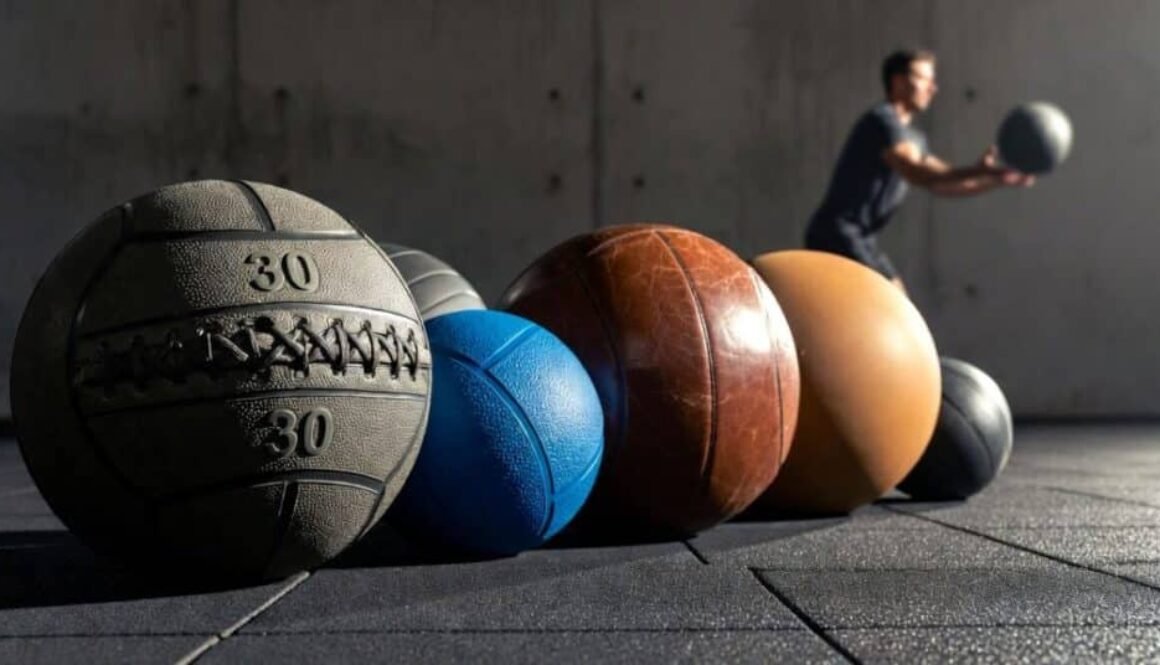
A medicine ball is a weighted ball used for strength training, conditioning, rehabilitation, and sports performance exercises. It is typically made from rubber, leather, or synthetic materials and comes in a range of weights, usually between 2 pounds and 30 pounds.
Medicine balls are smaller and heavier than stability balls, making them ideal for exercises that involve throwing, lifting, twisting, and slamming.
Originally, medicine balls were used in ancient Greece and Persia for physical training. Today, they have become an essential tool in gyms, sports facilities, and home fitness setups around the world.
Key Benefits of Using a Medicine Ball
Medicine ball workouts provide a wide range of physical benefits. Here are some of the main advantages.
1. Improves Core Strength
One of the biggest benefits of medicine ball training is core activation. Many exercises require stabilizing the body while moving the weight, which engages the abdominal muscles, obliques, and lower back.
A strong core improves posture, balance, and overall body stability.
2. Enhances Functional Fitness
Functional fitness refers to exercises that mimic everyday movements such as lifting, twisting, and reaching. Medicine ball workouts often involve multi-joint movements, helping multiple muscle groups work together.
This type of training makes daily activities easier and reduces the risk of injuries.
3. Boosts Explosive Power
Athletes frequently use medicine balls to improve explosive strength and speed. Exercises like ball slams, chest passes, and overhead throws help develop fast-twitch muscle fibers.
Sports that benefit from this type of training include:
- Basketball
- Football
- Tennis
- Boxing
- Baseball
Explosive medicine ball exercises can significantly improve athletic performance.
4. Improves Coordination and Balance
Many medicine ball exercises involve dynamic movement patterns. These movements help improve hand-eye coordination, agility, and body control.
Over time, regular practice can enhance balance and reaction time.
5. Supports Full-Body Workouts
Medicine balls allow you to perform full-body workouts that target the upper body, lower body, and core simultaneously.
Instead of isolating individual muscles, these exercises train the body to work as a complete system.
6. Ideal for High-Intensity Training
Medicine balls are commonly used in HIIT (High-Intensity Interval Training) and circuit workouts.
They help increase heart rate while strengthening muscles, making them excellent for both fat burning and muscle development.
Types of Medicine Balls
Not all medicine balls are the same. Different designs serve different training purposes.
Rubber Medicine Balls
Rubber medicine balls are durable and often bounce when thrown. They are commonly used for wall throws and partner drills.
Slam Balls
Slam balls are specifically designed for high-impact exercises like ball slams. Unlike rubber balls, they do not bounce, making them safer for intense workouts.
Soft Medicine Balls
Soft medicine balls are covered with fabric or padded materials. They are often used in rehabilitation and beginner fitness programs.
Wall Balls
Wall balls are larger and softer than traditional medicine balls. They are frequently used in functional training programs and group fitness classes.
Best Medicine Ball Exercises
Here are some highly effective medicine ball exercises that can improve strength, power, and endurance.
Medicine Ball Slams
Target muscles: Core, shoulders, arms
How to perform:
- Stand with your feet shoulder-width apart.
- Hold the medicine ball above your head.
- Slam the ball down onto the floor with maximum force.
- Pick it up and repeat.
This exercise is excellent for releasing stress while building explosive power.
Russian Twists
Target muscles: Abs and obliques
Steps:
- Sit on the floor with knees bent.
- Hold the medicine ball with both hands.
- Lean slightly backward.
- Rotate your torso from side to side.
Russian twists are one of the most effective exercises for developing rotational core strength.
Medicine Ball Squats
Target muscles: Quads, glutes, core
Steps:
- Hold the medicine ball close to your chest.
- Lower your body into a squat position.
- Keep your back straight and chest up.
- Return to the standing position.
This movement adds resistance to traditional squats.
Medicine Ball Chest Pass
Target muscles: Chest, shoulders, arms
Steps:
- Stand facing a wall or workout partner.
- Hold the medicine ball at chest level.
- Push the ball forward explosively.
- Catch the rebound or receive it from your partner.
This exercise builds upper-body strength and speed.
Overhead Medicine Ball Throw
Target muscles: Full body
Steps:
- Stand with your feet shoulder-width apart.
- Hold the ball behind your head.
- Throw it forward or upward with power.
This exercise is widely used in athletic training programs.
How to Choose the Right Medicine Ball Weight
Choosing the correct weight is important for both safety and effectiveness.
For Beginners
Start with a 4–6 pound medicine ball. This weight allows you to learn proper technique without risking injury.
For Intermediate Users
Individuals with moderate fitness levels can use 8–12 pounds for most exercises.
For Advanced Athletes
Athletes performing explosive exercises often use medicine balls weighing 15–30 pounds.
The best rule is to choose a weight that challenges you while allowing proper form.
Beginner Medicine Ball Workout Routine
If you are new to medicine ball training, this simple routine can help you get started.
Warm-Up (5 Minutes)
- Jumping jacks
- Arm circles
- Bodyweight lunges
Workout Routine (3 Rounds)
- Medicine ball squats – 12 reps
- Russian twists – 20 reps
- Medicine ball slams – 10 reps
- Chest passes – 12 reps
- Overhead throws – 10 reps
Rest for 45–60 seconds between rounds.
This workout strengthens the entire body while improving endurance.
Medicine Ball Training for Athletes
Many professional athletes use medicine balls in their conditioning programs.
Benefits for athletes include:
- Improved power generation
- Faster reaction times
- Better coordination
- Increased rotational strength
Sports like boxing, tennis, baseball, and football rely heavily on rotational and explosive movements, making medicine ball training extremely beneficial.
Safety Tips for Medicine Ball Workouts
Although medicine balls are safe and beginner-friendly, following these tips can prevent injuries.
Focus on Proper Form
Using proper technique is essential. Avoid rounding your back or using excessive momentum.
Start With Lighter Weights
Beginners should start with lighter medicine balls before progressing to heavier ones.
Maintain a Secure Grip
Ensure your hands are dry and maintain a firm grip on the ball.
Use Enough Workout Space
Exercises involving throws and slams require enough space to avoid accidents.
Why Medicine Balls Are Perfect for Home Workouts
Medicine balls are ideal for home workouts because they are:
- Compact and easy to store
- Suitable for small workout spaces
- Affordable compared to large gym machines
- Effective for full-body workouts
With just one medicine ball, you can perform dozens of exercises targeting different muscle groups.
Conclusion
The medicine ball remains one of the most effective and versatile tools in fitness training. It allows you to perform strength exercises, explosive power drills, and full-body conditioning workouts using a single piece of equipment.
Whether you are a beginner starting your fitness journey or an athlete aiming to enhance performance, medicine ball training offers numerous benefits, including improved core strength, better coordination, and increased power.
By choosing the right weight, practicing proper form, and incorporating medicine ball exercises into your routine, you can significantly enhance your overall fitness and achieve better workout results.
FAQs
1. What is a medicine ball used for?
A medicine ball is a weighted fitness ball used for strength training, core workouts, rehabilitation, and athletic conditioning. It is commonly used for exercises like slams, throws, squats, and twists to improve strength, balance, coordination, and explosive power.
2. What muscles do medicine ball exercises work?
Medicine ball exercises can target multiple muscle groups including the core, shoulders, chest, arms, back, glutes, and legs. Because many movements involve twisting and lifting, the abdominal muscles and obliques are particularly engaged.
3. Are medicine balls good for core workouts?
Yes, medicine balls are excellent for core training. Exercises like Russian twists, overhead slams, and medicine ball sit-ups activate the abdominal muscles and help build core strength, stability, and balance.
4. What weight medicine ball should beginners use?
Beginners should typically start with a 4 to 6 pound medicine ball. This weight allows users to learn proper technique without straining muscles. As strength improves, they can gradually move to heavier balls like 8–12 pounds.
5. Can medicine ball workouts help with weight loss?
Yes, medicine ball workouts can support weight loss and fat burning. Many exercises are used in high-intensity interval training (HIIT), which increases heart rate and burns calories while also building muscle.
6. What is the difference between a medicine ball and a slam ball?
The main difference is bounce. A medicine ball may bounce, while a slam ball is designed not to bounce. Slam balls are specifically made for powerful movements like overhead slams without rebounding off the ground.
7. Are medicine ball exercises good for athletes?
Yes, many athletes use medicine balls to improve explosive power, speed, and coordination. Sports like basketball, boxing, baseball, and football often include medicine ball drills to enhance performance.
8. How often should you use a medicine ball in workouts?
Medicine balls can be used 2 to 4 times per week depending on your fitness goals. They can be incorporated into strength training routines, HIIT workouts, or core-focused sessions.
9. Can beginners use medicine balls safely?
Yes, medicine balls are beginner-friendly as long as the correct weight and proper form are used. Beginners should start with lighter balls and basic exercises before progressing to advanced movements like slams and explosive throws.
10. Are medicine balls good for home workouts?
Medicine balls are perfect for home fitness routines because they are compact, affordable, and versatile. With just one medicine ball, you can perform dozens of exercises targeting the core, upper body, and lower body.