How Stress Affects Mental Health & Natural Ways to Recover
Stress has become a common part of modern life. Whether it comes from work, finances, relationships, or daily responsibilities, stress can silently impact our emotional and psychological well-being. While short-term stress can sometimes be helpful, long-term or chronic stress can seriously damage mental health if left unmanaged.
In this article, we’ll explore how stress affects mental health and the best natural ways to recover and regain emotional balance.
What Is Stress?
Stress is your body’s natural response to challenges or threats. When you experience stress, your brain releases hormones like cortisol and adrenaline, preparing you for quick action. This response is useful in short bursts, but when stress becomes constant, it keeps your body and mind in a state of tension, leading to mental exhaustion.
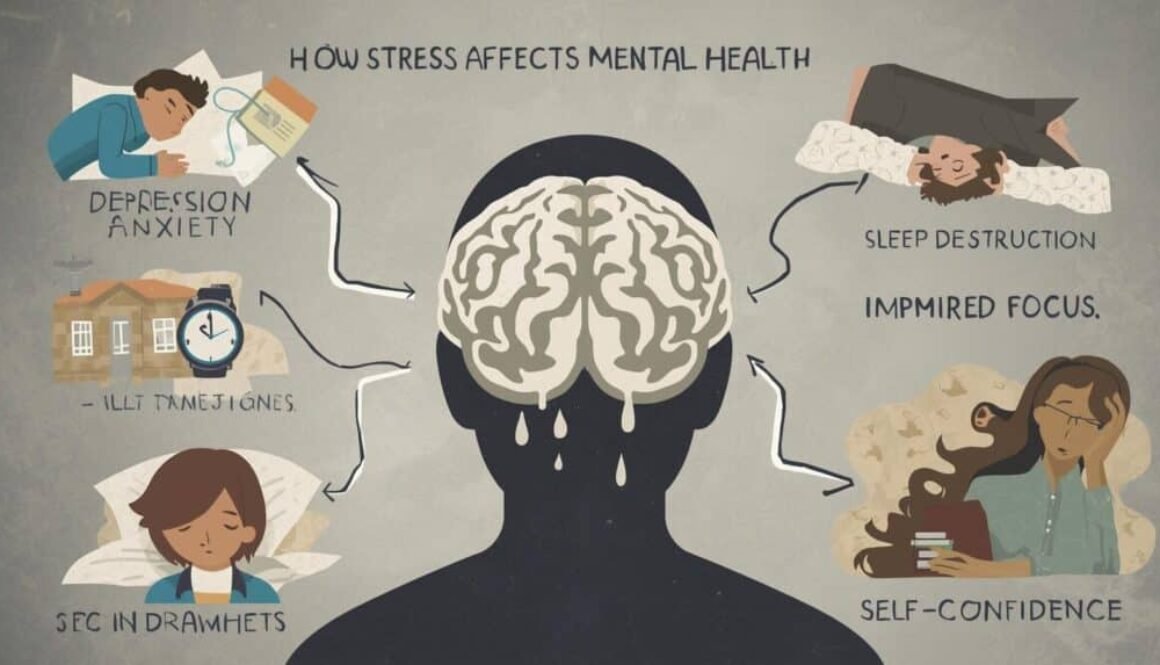
How Stress Affects Our Mental Health
1. Increases Anxiety and Fear
Chronic stress makes your brain overactive, leading to excessive worrying, racing thoughts, and fear about the future. Over time, this can develop into anxiety disorders.
2. Leads to Depression
Long-term stress drains emotional energy. You may start feeling hopeless, unmotivated, and disconnected, which can contribute to depression.
3. Disrupts Sleep
Stress interferes with natural sleep patterns, making it harder to fall or stay asleep. Poor sleep further worsens mood and emotional stability.
4. Affects Focus and Memory
High stress levels can shrink areas of the brain responsible for memory and learning. This can result in forgetfulness, confusion, and poor concentration.
5. Triggers Mood Swings
Stress can make emotions more intense. Small problems may feel overwhelming, causing irritability, anger, or sadness.
6. Lowers Self-Confidence
When stress persists, people often feel like they are failing, which damages self-esteem and self-worth.
Natural Ways to Recover Your Mental Health
Healing your mind naturally is possible with consistent and healthy habits.
1. Practice Meditation and Deep Breathing
Meditation calms the nervous system and reduces cortisol levels. Deep breathing helps your body shift from stress mode to relaxation mode.
2. Stay Physically Active

Exercise releases endorphins, also known as “happy hormones.” These help reduce anxiety and boost mood naturally.
Good options include:
- Walking
- Yoga
- Stretching
- Dancing
- Cycling
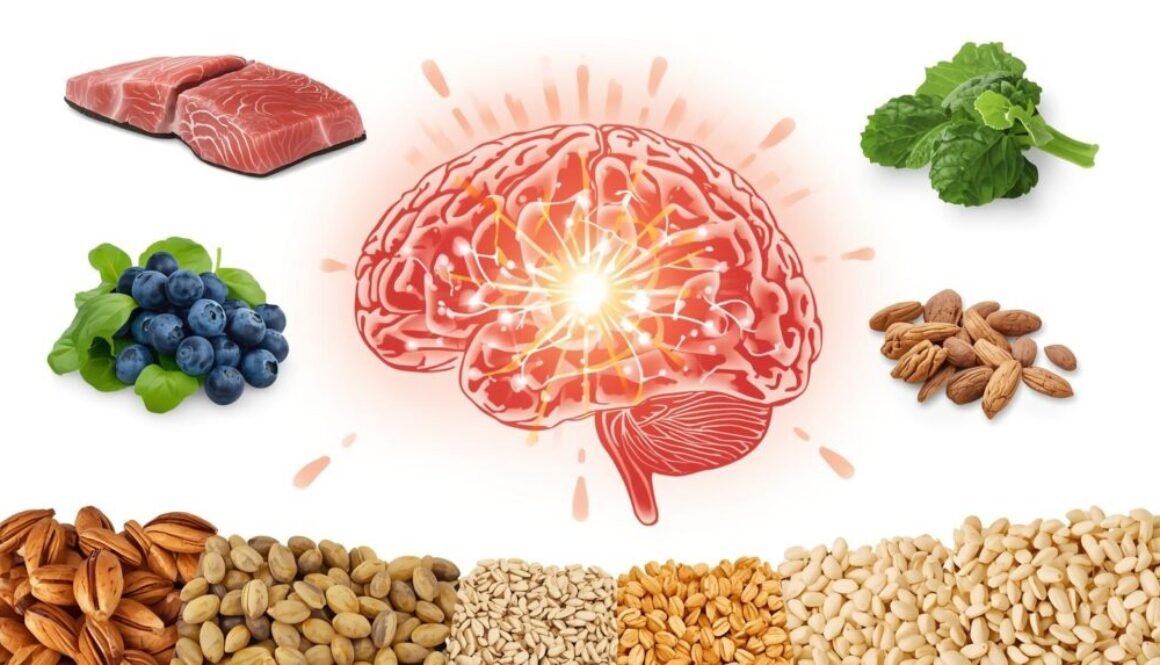
3. Eat Brain-Healthy Foods

A healthy diet supports mental clarity and emotional balance.
Include:
- Fresh fruits and vegetables
- Nuts and seeds
- Whole grains
- Omega-3 rich foods
- Herbal teas
Avoid excess sugar, caffeine, and processed foods.
4. Get Quality Sleep
Sleep allows your brain to repair and reset. Aim for 7–9 hours of sleep each night.
Tips:
- Sleep at the same time daily
- Avoid screens before bedtime
- Keep your room dark and quiet
5. Spend Time in Nature
Nature has a calming effect on the brain. Walking in parks, sitting under sunlight, or gardening can reduce stress and refresh your mood.
6. Limit Social Media
Constant scrolling and negative news can increase stress. Take digital breaks to protect your mental peace.
7. Practice Gratitude
Gratitude trains your brain to focus on positive things. Writing three things you’re thankful for daily can improve emotional well-being.
8. Connect With Loved Ones
Talking about your feelings reduces emotional burden. Healthy social connections provide comfort and support.
9. Use Natural Relaxation Methods
- Aromatherapy
- Herbal teas
- Journaling
- Listening to calming music
- Warm baths
10. Set Healthy Boundaries
Avoid overworking and saying yes to everything. Protect your time and energy to reduce mental strain.
When to Seek Professional Help
If stress becomes overwhelming, lasts for months, or leads to severe anxiety, depression, or panic attacks, it’s important to seek help from a mental health professional.
Final Thoughts
Stress is a natural part of life, but it doesn’t have to control your mental health. By understanding its effects and using natural recovery methods, you can restore balance, peace, and emotional strength.
Small daily habits can lead to big changes.
FAQs: Stress and Mental Health
1. How does stress affect mental health?
Stress can cause anxiety, depression, mood swings, poor sleep, and low concentration. Long-term stress can seriously damage emotional well-being.
2. Can stress cause mental illness?
Yes, chronic stress can trigger or worsen conditions like anxiety disorders, depression, and panic disorders.
3. What are natural ways to reduce stress?
Natural methods include meditation, exercise, healthy eating, quality sleep, nature exposure, gratitude, and limiting screen time.
4. How long does it take to recover from stress naturally?
Recovery time varies. Some people feel better in a few weeks, while others may need months of consistent self-care.
5. Can diet affect stress levels?
Yes. Nutritious foods support brain health, while junk food and sugar can worsen mood and anxiety.
6. Does exercise really help mental health?
Yes. Physical activity releases endorphins that reduce stress and improve mood naturally.
7. Is meditation effective for stress?
Yes. Regular meditation calms the mind, improves focus, and lowers stress hormones.
8. When should I seek professional help?
If stress leads to persistent sadness, panic attacks, or thoughts of self-harm, seek professional support immediately.