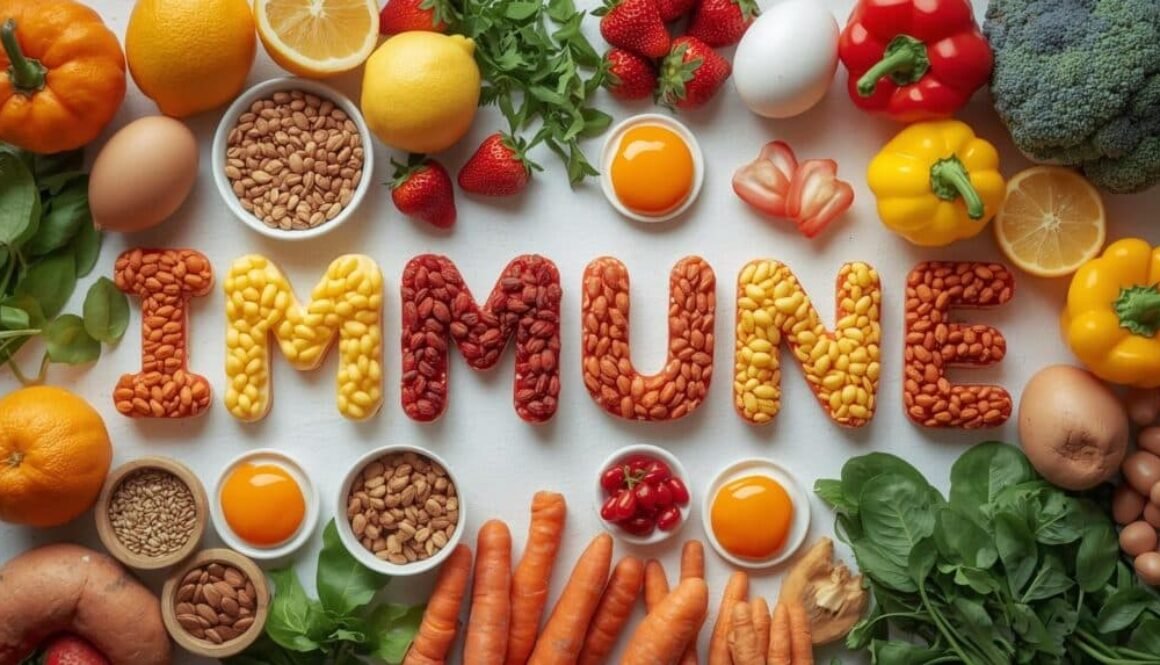
How to Boost Your Immune System Naturally
Your immune system is your body’s natural defense. It fights infections, viruses, and harmful bacteria. A strong immune system helps you avoid illness. It also aids in quicker recovery, boosts energy, and promotes long-term health. No single food or habit can make you immune to illness. However, healthy lifestyle choices can boost your body’s natural defenses.
In this article, we’ll look at natural ways to boost your immune system. These methods are backed by science and don’t depend on synthetic supplements or quick fixes.
1. Eat a Nutrient-Rich, Balanced Diet
Food is the foundation of a strong immune system. Your body needs many vitamins, minerals, antioxidants, and macronutrients to work well.

Key Immune-Boosting Nutrients:
- Vitamin C – Helps white blood cells work well. Found in: Oranges, lemons, strawberries, bell peppers, and broccoli.
- Vitamin D – Helps regulate immune responses Found in: Sunlight, egg yolks, fortified foods, mushrooms
- Zinc – Supports immune cell development Found in: Nuts, seeds, whole grains, beans
- Vitamin A – Maintains the health of your skin and tissues Found in: Carrots, sweet potatoes, spinach
- Iron & Selenium – Help immune cells function effectively
Foods That Strengthen Immunity:
- Leafy greens (spinach, kale)
- Citrus fruits
- Garlic and onions
- Ginger and turmeric
- Yogurt and fermented foods
- Nuts and seeds
- Berries
- Whole grains
A colorful plate usually means a nutrient-rich meal.

2. Stay Hydrated
Water helps flush toxins from your body. It also carries nutrients and helps the lymphatic system, which is key for your immune health.
When you’re dehydrated:
- Mucous membranes dry out, making it easier for germs to enter
- Fatigue increases
- Detoxification slows down
Tip: Aim for 8–10 glasses of water daily. Herbal teas, coconut water, and water-rich fruits like watermelon and cucumber also help.
3. Get Quality Sleep
Sleep is one of the most powerful natural immune boosters. During deep sleep, your body releases cytokines. These are proteins that help fight infection and inflammation.
Effects of Poor Sleep:
- Lower white blood cell production
- Increased inflammation
- Higher risk of infections
- Slower recovery
How to Improve Sleep:
- Stick to a consistent bedtime
- Avoid screens before bed
- Keep your room dark and cool
- Limit caffeine after noon
- Practice relaxation techniques
Adults should aim for 7–9 hours of quality sleep every night.
4. Exercise Regularly (But Don’t Overdo It)
Moderate exercise boosts your immune system. It improves circulation, reduces inflammation, and helps immune cells move better in the body.
Best Immune-Boosting Activities:
- Brisk walking
- Jogging
- Cycling
- Yoga
- Swimming
- Strength training
Just 30 minutes of moderate activity 5 days a week can make a big difference.
⚠️ Overtraining without rest can weaken immunity, so balance is key.
5. Manage Stress Effectively
Chronic stress lowers immune function. It boosts cortisol levels, which cuts down on infection-fighting white blood cells.
Natural Stress-Relief Methods:
- Meditation
- Deep breathing exercises
- Nature walks
- Journaling
- Listening to calming music
- Spending time with loved ones
Just 10–15 minutes of mindful relaxation each day can boost your immune health.
6. Support Your Gut Health
Around 70% of your immune system lives in your gut. A healthy gut microbiome helps regulate immune responses and fight harmful pathogens.
Foods That Improve Gut Health:
- Yogurt (with live cultures)
- Kefir
- Sauerkraut
- Kimchi
- Miso
- Kombucha
- High-fiber foods (oats, bananas, legumes)
Avoid excessive sugar and processed foods—they disrupt gut bacteria balance.
7. Spend Time in Sunlight
Sunlight helps your body produce Vitamin D, a crucial nutrient for immune regulation.
Low vitamin D levels are linked to:
- Increased infections
- Autoimmune issues
- Fatigue
Try to get 15–20 minutes of sunlight daily, preferably in the morning.
8. Use Natural Immune-Boosting Herbs and Spices
Certain herbs have been traditionally used for centuries to support immunity.

Powerful Natural Options:
- Garlic – Antibacterial and antiviral properties
- Ginger – Reduces inflammation
- Turmeric – Rich in curcumin (immune-supporting compound)
- Echinacea – May reduce cold duration
- Elderberry – Supports respiratory health
These can be added to meals or taken as herbal teas.
9. Avoid Smoking and Limit Alcohol
Smoking damages immune cells and weakens lung defenses. Alcohol disrupts gut bacteria and reduces the effectiveness of immune cells.
If you want to strengthen your immune system naturally:
- Quit smoking
- Limit alcohol intake
- Choose healthier coping mechanisms
10. Practice Good Hygiene
Even with a strong immune system, prevention matters.
- Wash hands regularly
- Avoid touching your face
- Clean commonly touched surfaces
- Maintain oral hygiene
These habits reduce the number of pathogens your immune system has to fight.
11. Maintain a Healthy Weight
Excess body fat promotes chronic inflammation, which weakens immune response. Maintaining a healthy weight through balanced nutrition and exercise supports optimal immune function.
12. Build Strong Social Connections
Believe it or not, positive social interactions can strengthen your immune system. Loneliness and isolation are linked to higher stress and weaker immunity.
Spend time with family, friends, and supportive communities.
Final Thoughts
Boosting your immune system naturally isn’t about quick fixes; it requires consistent and healthy habits. Nutritious food, quality sleep, stress management, regular exercise, and good hydration help your body fight illness better.
Treat your body well. This makes your immune system stronger and more resilient. It helps you handle life’s challenges better.
FAQs
1. What is the immune system?
The immune system protects your body from harmful bacteria, viruses, fungi, and other pathogens. It includes organs, cells, and proteins that work together to fight infections.
2. Can I really boost my immune system naturally?
You can boost your immune system naturally. Just follow these healthy habits:
- Eat well.
- Get enough sleep.
- Exercise regularly.
- Manage stress.
- Stay hydrated.
3. Which foods help improve immunity?
Foods high in vitamins and antioxidants boost immunity. Key options include:
- Citrus fruits
- Leafy greens
- Garlic
- Ginger
- Yogurt
- Nuts
- Seeds
- Berries
- Whole grains
4. How does sleep affect the immune system?
Sleep helps your body repair and regenerate immune cells. Lack of sleep weakens your immune system. This makes you more likely to get infections.
5. Does drinking water help immunity?
Staying hydrated helps flush out toxins. It supports circulation and keeps your mucous membranes moist. This makes it harder for germs to get into your body.
6. Can exercise strengthen the immune system?
Moderate exercise boosts blood flow, cuts down inflammation, and helps immune cells travel better in the body. This strengthens your immune defenses.
7. How does stress weaken the immune system?
Chronic stress raises cortisol levels. This weakens the immune system and lowers the body’s ability to fight infections.
8. Are herbal remedies effective for immunity?
Some herbs, like ginger, turmeric, garlic, echinacea, and elderberry, can help immune health. They have anti-inflammatory and antioxidant properties.
9. How long does it take to improve immunity naturally?
It varies by individual, but if you stick to healthy habits, you might see better energy, fewer illnesses, and quicker recovery in just a few weeks.
10. Can supplements replace a healthy lifestyle?
No. Supplements can help with deficiencies. However, they can’t replace a balanced diet, good sleep, exercise, and stress management.