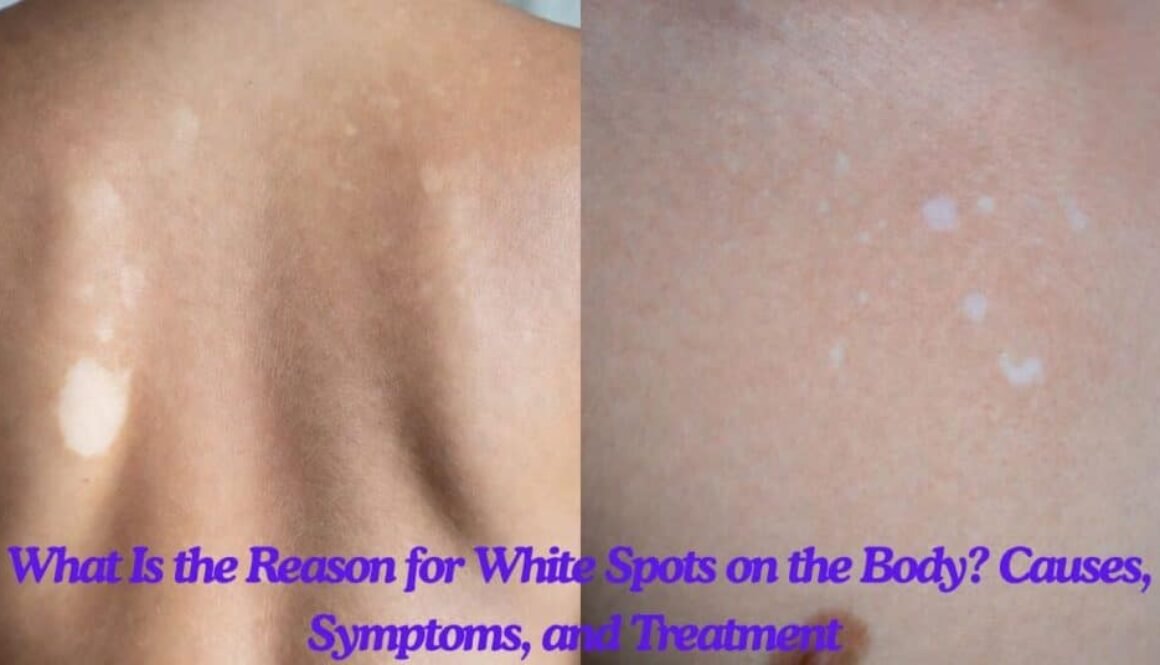
What Is the Reason for White Spots on the Body? Causes, Symptoms, and Treatment Options
White spots on the body are a common skin concern that affects people of all ages. These spots can appear suddenly or develop gradually over time, often raising questions about their cause and whether they indicate a serious health condition. While some white patches are harmless and temporary, others may require medical attention.
Understanding the reason for white spots on the body is essential for choosing the right treatment and maintaining healthy skin. In this detailed guide, we’ll explore the most common causes, symptoms, diagnosis methods, and available treatments.
What Are White Spots on the Skin?
White spots on the skin occur when certain areas lose pigment or fail to produce enough melanin. Melanin is responsible for giving skin its natural color. When melanin production decreases or melanocytes (pigment-producing cells) are damaged, lighter patches or white spots can appear.
These spots may vary in:
- Size and shape
- Location on the body
- Texture (smooth or scaly)
- Duration (temporary or permanent)
Common Reasons for White Spots on the Body
1. Vitiligo – A Pigmentation Disorder
Vitiligo is one of the most well-known causes of white spots on the body. It is an autoimmune condition where the immune system mistakenly attacks melanocytes.
Key characteristics of vitiligo:
- Milky white patches with well-defined borders
- Often affects hands, face, elbows, knees, and feet
- Patches may spread over time
- Usually painless and non-itchy
Vitiligo is not contagious and can affect people of any age. Although there is no permanent cure, treatments such as topical corticosteroids, immunomodulators, and phototherapy can help restore pigmentation in some cases.
2. Tinea Versicolor – A Fungal Skin Infection
Tinea versicolor is a common fungal infection caused by an overgrowth of yeast that naturally lives on the skin. It interferes with melanin production, leading to light or white patches.
Symptoms include:
- White, pink, or light brown spots
- Mild itching or dryness
- Commonly appears on chest, back, shoulders, and neck
This condition is more common in hot and humid environments and among people who sweat excessively. Antifungal creams, shampoos, or oral medications are highly effective in treating tinea versicolor.
3. Pityriasis Alba – Common in Children and Teens
Pityriasis alba is a mild and harmless skin condition mostly affecting children and adolescents. It is often associated with dry skin or eczema.
Signs of pityriasis alba:
- Pale white or light patches
- Slight scaling or dryness
- Mostly appears on the face, arms, and neck
The condition usually resolves on its own. Regular moisturizing and gentle skincare help improve skin appearance over time.
4. Post-Inflammatory Hypopigmentation
White spots may develop after the skin heals from inflammation, injury, or infection. This condition is known as post-inflammatory hypopigmentation.
Common triggers include:
- Acne
- Burns or cuts
- Eczema or psoriasis
- Allergic skin reactions
These white spots are temporary and usually fade as melanin production returns to normal. Recovery may take weeks or months depending on skin type and severity.
5. Nutritional Deficiencies
Certain vitamin and mineral deficiencies can affect skin pigmentation and lead to white spots on the body.
Most common deficiencies include:
- Vitamin B12
- Vitamin D
- Calcium
- Iron
People with nutritional deficiencies may also experience fatigue, hair thinning, brittle nails, or muscle weakness. Blood tests can confirm deficiencies, and treatment involves diet improvement or supplements.
6. Sun Exposure and Skin Damage
Excessive sun exposure can damage melanocytes and cause uneven pigmentation. Some white spots become noticeable after tanning because affected areas fail to darken.
This condition is usually harmless but emphasizes the importance of using sunscreen and protecting skin from UV damage.
7. Leucoderma (Chemical or Contact-Induced)
Leucoderma refers to white spots caused by repeated exposure to certain chemicals found in:
- Hair dyes
- Industrial chemicals
- Cosmetics
These substances can damage melanocytes in localized areas. Avoiding the trigger and consulting a dermatologist can prevent further skin changes.
8. Genetic or Autoimmune Conditions
In rare cases, white spots may be associated with inherited skin disorders or systemic autoimmune diseases. These conditions often present alongside other symptoms such as fatigue, joint pain, or hormonal imbalance.
Medical evaluation is essential in such cases.
How Are White Spots Diagnosed?
A dermatologist may use the following methods to determine the cause of whitespots:
- Physical skin examination
- Wood’s lamp test (UV light examination)
- Blood tests for nutritional or autoimmune issues
- Skin scraping or biopsy (if necessary)
Accurate diagnosis ensures effective treatment and prevents unnecessary worry.
Treatment Options for White Spots on the Body
Treatment depends on the underlying cause and severity.
Common treatment approaches include:
- Topical creams: Corticosteroids or antifungal agents
- Oral medications: For fungal or nutritional causes
- Phototherapy: Often used for vitiligo
- Moisturizers: For dry skin-related conditions
- Dietary changes: To correct deficiencies
Early treatment often leads to better results, especially in reversible conditions.
Home Care and Prevention Tips
- Maintain good skin hygiene
- Use sunscreen daily
- Avoid harsh chemicals and skin products
- Eat a balanced, nutrient-rich diet
- Keep skin moisturized
- Manage stress, which can affect immune health
When Should You See a Doctor?
Consult a dermatologist if:
- White spots spread rapidly
- Patches are itchy, painful, or inflamed
- There is a family history of vitiligo
- Home remedies do not improve the condition
Early medical advice helps prevent complications and improves treatment outcomes.
Conclusion
White spots on the body can have many causes, ranging from mild fungal infections to autoimmune disorders like vitiligo. While some conditions are temporary and harmless, others may require medical evaluation and ongoing management. Understanding the reason behind whitespots is the key to choosing the right treatment and protecting long-term skin health.
If you notice persistent or unexplained white patches, consulting a healthcare professional is always the best step forward.
Frequently Asked Questions (FAQs)
1. What causes white spots on the body?
Whitespots on the body usually occur due to loss of skin pigment, fungal infections, autoimmune conditions, nutritional deficiencies, or skin damage from inflammation or sun exposure.
2. Are white spots on the skin dangerous?
Most whitespots are harmless, but some conditions like vitiligo or autoimmune disorders may require medical attention. A dermatologist can determine the exact cause.
3. Is vitiligo the only reason for white spots?
No, vitiligo is just one cause. Other reasons include fungal infections, dry skin conditions, nutritional deficiencies, and post-inflammatory hypopigmentation.
4. Can white spots be caused by fungal infections?
Yes, fungal infections such as tinea versicolor are a common cause of white or light-colored patches, especially in hot and humid climates.
5. Are white spots contagious?
Most white spots, including vitiligo and nutritional deficiency-related spots, are not contagious. However, some fungal infections can spread through direct contact.
6. Why do white spot appear more after sun exposure?
Sun exposure darkens normal skin, making white or low-pigment areas more noticeable. Some damaged areas may not tan properly.
7. Can vitamin deficiency cause white spots on the body?
Yes, deficiencies in vitamin B12, vitamin D, calcium, or iron can lead to changes in skin pigmentation, including white spot.
8. Do white spots go away on their own?
Some white spot, such as those caused by dry skin or post-inflammatory hypopigmentation, may fade naturally over time, while others may need treatment.
9. How are white spots on the skin diagnosed?
Doctors diagnose white spots through physical examination, Wood’s lamp test, blood tests, or skin biopsy if needed.
10. Can stress cause white spots on the body?
Stress does not directly cause whitespots but can worsen autoimmune conditions like vitiligo or trigger skin flare-ups.
11. Are white spots common in children?
Yes, conditions like pityriasis alba are common in children and usually cause harmless white patches on the face or arms.
12. What is the difference between vitiligo and leucoderma?
Vitiligo is an autoimmune condition, while leucoderma refers to pigment loss caused by skin damage, chemicals, or injury.
13. Can white spots be treated at home?
Mild cases caused by dry skin or fungal infections may improve with moisturizers or antifungal creams, but medical advice is recommended for persistent spots.
14. Is there a permanent cure for white spots?
There is no universal permanent cure, especially for vitiligo, but treatments can help restore skin color or control spreading.
15. Can diet help improve white spots?
A balanced diet rich in vitamins, minerals, and antioxidants can support skin health and may help prevent pigment-related issues.
16. When should I see a doctor for white spots?
You should see a doctor if the spots spread quickly, change shape, cause discomfort, or do not improve with basic care.
17. Are white spots related to autoimmune diseases?
Some white- spots, especially vitiligo, are linked to autoimmune disorders where the immune system attacks pigment cells.
18. Can cosmetic products cause white spots?
Yes, repeated exposure to harsh chemicals in cosmetics or hair dyes can damage pigment cells and cause localized white-spots.
19. Do white spots always mean a skin disease?
Not always. Some white_spots result from temporary skin changes, sun damage, or minor healing processes.
20. How can white spots on the body be prevented?
Maintaining good skin hygiene, using sunscreen, eating a healthy diet, avoiding harsh chemicals, and managing stress can help prevent white_spots.
Read More about https://wellhealthorganic.net/